
Tag Archives: medical

Molly and Potato by Dr Kelly Curtin and Molly Hallinan (Book Review)

Molly wished for a dog. But her mom; busy, tired, and not a “dog person,” always said no. Then came the cancer. As Molly’s mom begins her treatment and healing journey, Molly learns just how brave she can be. And when a scruffy shelter pup named Potato comes into their lives, everything begins to change.

Told in two voices—Molly & Potato: A (Human) Love Story and Potato & Molly: A (Canine) Love Tail—this heartfelt children’s book explores how love, loss, and rescue go both ways. Both Molly and Potato wrestle with confusing feelings: guilt over finding joy after hardship, and the realization that sadness and happiness can exist together.

Co-written by pediatrician and cancer survivor Dr. Kelly Curtin and her daughter Molly Hallinan, these mirrored stories gently show young readers that healing doesn’t mean pretending, and that it’s okay to be happy, sad, and everything in between. Through their love and support for each other, Molly and Potato learn that a sad past doesn’t stop them from finding happiness in the present.

Preorder: Amazon Purchase Link



I received a complimentary copy of this book from Reedsy Discovery.  I voluntarily chose to read and post an honest review.


Molly and Potato is a touching story, narrated first through the eyes of a little girl in A (Human) Love Story and then from the perspective of a sweet shelter dog in A (Canine) Love Tail. These moving tales are inspired by a real family and their real rescue pup during a time when the little girl was overwhelmed with feelings centering around her mother’s cancer diagnosis and the pup who longed for a home/family.

Cancer is a disease that strikes fear in the hearts of those with the diagnosis and also their family members. It can be difficult for people, especially children, to understand how cancer will affect their loved ones. If they’ve already lost someone to cancer, another loved one getting the diagnosis can make them wonder if this person will meet the same fate. Molly’s story falls into the latter category. The darling little girl lost her aunt to cancer and now fears that cancer will take her mom away too. Molly’s sadness, anger, and fears over the unfortunate situation are valid, and her family did offer reassuring words. However, Molly’s mother realized that her worried daughter needed more help coping with the terrible situation, so they visited the animal shelter, where Molly met her adopted friend, Potato.

Like Molly, Potato is also navigating a world of big emotions. He grapples with the question of why no one wants to adopt him because of his broken teeth. Despite the kind words from the vet and shelter volunteers, Potato doesn’t feel beautiful. He feels a mix of sadness and anger until one day, a family walks into the shelter. Then, his doggie dreams come true. Molly and Potato share hugs when one of them is sad. They lend an ear when the other needs to talk. They also both question the reason why they entered into each other’s lives, stirring up more conflicting feelings. (Read the story for more information.)

Was it fate that brought Molly and Potato together? Perhaps. Whether you believe in fate or not, what all readers will agree on is that these two changed each other’s lives for the better. I recommend sharing this touching story with any child dealing with intense feelings surrounding a medical diagnosis, considering adopting an animal, or who needs a reason to smile. While the story touched my heart, the illustrations fell short. There were inconsistencies in the coloring of the pooch’s face, and certain scenes and images have an AI-generated feel to them. That said, Potato’s crying image made me say, “Aww,” and the framed photo of Molly dressed as a princess holding Potato, who was wearing a tuxedo, was adorable. Love the bowtie!

Whether your child is wrestling with big feelings regarding an illness in the family, considering adopting a pet, or simply in need of a heartwarming story about kindness and healing, I recommend reading Molly & Potato. My suggested target audience is 3-8-year-olds.


Heart Rating System:
1 (lowest) and 5 (highest) 
Score: 

Preorder: Amazon Purchase Link


Molly and Potato was co-written by pediatrician and cancer survivor Dr. Kelly Curtin and her daughter Molly Hallinan. Scroll down to ‘meet’ Dr. Kelly Curtin.

Dr. Kelly Curtin, DO FAAP CHCQM is a pediatrician and writer whose work explores her illness, motherhood, and trauma. She brings clinical insight and personal experience to works that examine what it means to be heard, to survive, and to live without regret. She is a state and nationally recognized pediatrician for her work with children and oral health advocacy, as well as a mother to three amazing kids. She wrote this book to support kids facing Adverse Childhood Events, as she herself was one. Against all odds, she is a cancer survivor and she couldn’t feel more lucky.

Read her most recent essays “The Life You Save May Be Your Own” and “Luck of the Irish: A Parable of Inheritance, Illness, and Hope” on KevinMD.


Amazon Author Page Link

Reedsy Author Link


Leave a Comment

Filed under Uncategorized

The Princess Has Cancer: A glimpse into the journey of a support group by Mary Wilson Galasso (Book Spotlight)

Four children, each facing the unimaginable challenge of cancer, find strength and solace in a support group. What begins as quiet companionship soon blossoms into a lasting friendship that carries them through years of treatment, hope and healing. Along their journey, they encounter a kind-hearted princess whose compassion leaves a lasting mark on their lives. As they enter remission, their bond remains unbreakable-and the story of their courage begins to inspire other children walking the same difficult path.

Amazon Purchase Link

Reedsy’s Review Link


Meet the Author

Mary Wilson Galasso is a retired Nurse Practitioner, in addition to being a wife, mother of three boys, and a grandmother. She comes from a large family and has a deep passion for understanding people. She believes reading is one of the greatest skills a person can be proud to have and to share.


Leave a Comment

Filed under Uncategorized

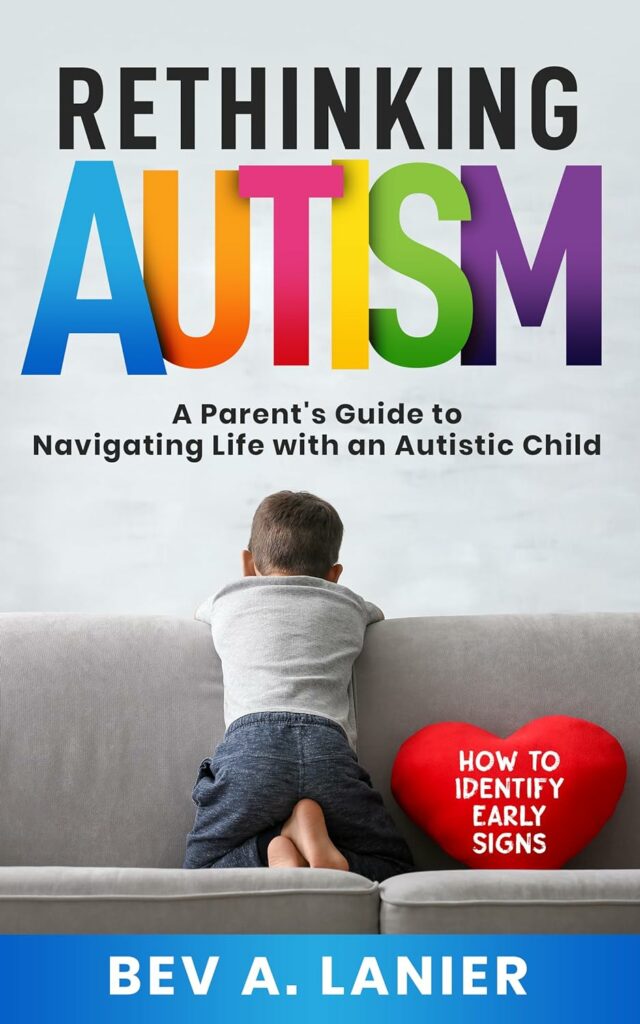
Rethinking Autism: A Parent’s Guide to Navigating Life with an Autistic Child: How to Identify Early Signs by Bev A. Lanier (Book Review)

Discover powerful communication strategies to become your child’s strongest ally and advocate. If you’re losing sleep over your child’s behavior or feeling frustrated with the lack of support, this guide is your go-to resource.

As a parent of a child with autism, understanding their unique communication style is crucial. This guide takes you on a transformative journey, starting with observing your child’s cues and delving into their world. Drawing on your own childhood experiences, you’ll realize your innate ability to be their window to the world.

Navigate through the complexities of autism with insights into the three levels, physiological reasons for behavioral challenges, and gender differences in communication. Learn from real-life stories, identify signs of autism, and explore various therapies, including speech, physical, and occupational therapy.

This guide goes beyond therapies, exploring the neurodivergent brain’s magic and providing communication strategies tailored to each autism level. Discover tools for establishing routines, handling challenges, and prioritizing your well-being to avoid burnout.

This guide empowers you to be the expert on your child’s needs, making informed choices that lead to victories and a more purposeful life. Take a breath; help is here for your parenting journey.

Amazon Purchase Link


I received a complimentary copy of this book from Reedsy Discovery. I voluntarily chose to read and post an honest review.

What is ASD (autism spectrum disorder)? As the author said quite eloquently, “autism” is more than just a label we can assign to people. It is a framework that can guide us through raising these individuals to become the best versions of themselves. 

Even though the first diagnosis occurred in 1943 by Leo Kanner, a psychiatrist, we still have much to understand about the condition. What doctors look for are common tell-tell signs or indicators on the “spectrum”: repetitive behavioral patterns and hyperfocus on interests or activities. The writer breaks down the three levels, which tell us more than just a child’s level of proximity to either end of the spectrum: from functioning independently to those who require assistance with everyday tasks. 

What I learned that fascinated me was more kids are being misdiagnosed with ASD. On the flip side, many kids never get diagnosed with it and should have so they can get proper care. I was also amazed by the number of famous people believed to have autism, such as Jerry Seinfeld (actor and comedian) and Elon Musk. It just shows that sometimes you never know who has autism and who doesn’t. One thing is apparent: you can’t look at a newborn and know they will have ASD or not. However, as a child grows, there are signs that you should be on the lookout for and share with your doctor. Bev A. Lanier (the author) discusses these in Chapter Two: “What to Look For,” alongside possible causes, preparing for evaluation, and what should you expect. I would advise reading this area carefully and possibly more than once. It’s a lot of information to absorb in one sitting. 

As I said earlier, Bev A. Lanier mentions different levels on the autism spectrum. As you read chapter three, you’ll get valuable intel on the lowest level, formerly known as Asperger’s, to level three, where an individual will require substantial support. No matter what “level” you or your loved one lands on, getting a diagnosis from a trained professional, the initial point of treatment, is important, as stated in Chapter 4. Remember, each person is different, so “treatments” must be catered to your or your child’s mind and body. Speech therapy, physical therapy, occupational medicine, non-invasive activities, and meds are tools you must utilize to bring out the best versions of your autistic child. With all that in mind, treatments will change as your child grows older and becomes more independent. I want to note there is more to this subject matter; I am merely touching the tip of the iceberg regarding the information presented.

As you move into Chapter Five, we get a closer look at the brain and how the spectrum shapes it. Okay, this section brings me back to my school days. Lots of science information that I can see people glossing over. I imagine the average person will focus more on treatment options, resources, or the mini stories between each chapter. Bev made a wise choice including the heartwarming tales. Just hearing your child has ASD can strike fear in any parent’s heart, but these stories give glimmers of hope to many parents. Hope that one day their own child will be thriving like David, Sofia, Liam, and the other kids.

There are challenges with having ASD or taking care of someone with ASD. As the author pointed out, it affects language, reaction to stimuli, social interactions, behavior, and how we manage tasks. Parents, as overwhelmed as you might feel, remember you are not alone, and all your feelings regarding the diagnosis are normal. Take the writer’s advice and set time aside for yourself. Do something that you enjoy. Join a support group. Remember, we all need help now and then, so never be afraid to ask for some! 

Heart Rating System:
1 (lowest) and 5 (highest) 
Score: ❤❤

Amazon Purchase Link


Meet the Author

As a neurodivergent mom of three neurodivergent children, I am on a journey of understanding, advocacy, and empowerment. My life has been shaped by the diverse neurodiversity in my family, and I am passionate about sharing my knowledge and experiences with others. Through my writing, I aim to provide support, guidance, and a sense of community to fellow parents and individuals who are navigating the neurodiverse landscape. Together, we can embrace and celebrate the unique strengths and perspectives that neurodiversity brings to our lives.

Reedsy Link


Leave a Comment

Filed under Uncategorized

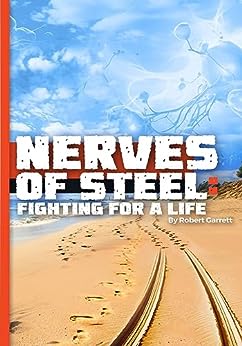
Nerves of Steel: Fighting for a Life by Robert Garrett (Book Review)

“You have ALS.” Three words obliterated the path of a life.

Now a new route was under construction and at the end sat a monstrous, relentless steamroller on a direct collision course.

“How long do I have? When will this hit me? What about my family?”

“Am I brave enough?”

Those are the devastating questions author Robert Garrett had to begin to answer the moment he was diagnosed with ALS while in his strong and thriving early 40s. He had a loving marriage, two healthy, beautiful young boys, and the career he had worked so hard for 20 years to achieve.

Now Garrett had to begin this new journey — one filled with devastating trials and exhilarating triumphs – while, as if blindfolded, he navigated the physical, emotional, and psychological obstacles of dealing with a ruthless terminal illness as his body began dying out from under him.

Written solely with dictation and eye gaze technology, Nerves of Steel is also a journey of self-discovery, as Garrett learns to overcome nearly impossible obstacles and try to somehow push through all of this with his family and sanity intact. It’s an intimate look at a real life: raw, honest, dark, uplifting, and inspiring with a cannonball splash of humor Garrett refuses to lose.


Amazon Purchase Link


I received a complimentary copy of this book from Reedsy Discovery.  I voluntarily chose to read and post an honest review.


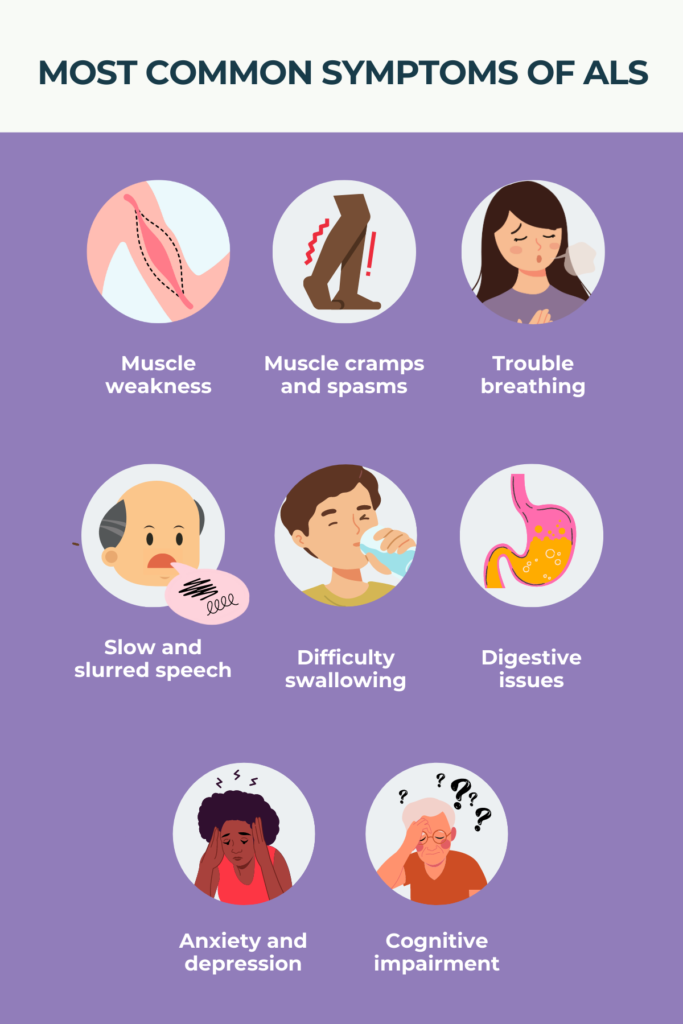
ALS, or amyotrophic lateral sclerosis, is a progressive neurodegenerative disease affecting brain and spinal cord nerve cells. It’s the boogyman that no one wants to face. Unfortunately for Robert, he has to face the monster head-on. ASL strips away a person’s strength and functions by interrupting the signals between nerves and muscles. When it does this, your muscles wither and die. As the disease progresses, the afflicted become more dependent on others until the condition takes away a person’s last breath. That’s a horrifying thought – knowing life will never be the same, thanks to the incurable disease. 

Robert first noticed something was amiss when his left hand began cramping and taking a claw-like shape. His left bicep was also losing muscle mass. He was subjected to multiple MRIs, underwent a nerve conduction test, and an EMG (electromyography), spinal tap (lumbar puncture), and had a chunk of his peroneal nerve (branch of the sciatic nerve that supplies movement and sensation to the lower leg, foot, and toes) removed for testing. With each test, Robert hoped his greatest fear wouldn’t become a reality; he didn’t want the diagnosis of ALS. No one does. Robert’s reaction to the diagnosis broke my heart. I cried with him. I looked at my kids and wondered how they would handle the news he had to share with his young sons. Despite every painful moment Robert has endured, the stares from strangers, he didn’t want to miss a moment with his family. Before ALS, he was an active family man. With ALS, he didn’t want the debilitating illness to take any more from him and his family than it already has and will in the future. 

Robert is lucky; he’s surrounded by family, friends, and co-workers that only want to improve his quality of life. No one could ask for a better mother-in-law than Janice. A widow, she moved into their apartment/basement and runs the house while Erin works full-time. She cooks, shops, cares for her grandsons (Walter and Henry), and helps Robert as needed. Then there was Carissa, a mother of four, who gave him unlimited access to her American Express for rides to work. Robert’s job also helped make his work life more manageable and graciously sponsors an annual 5k in his honor. The list of “angels” is long, so please read the book to discover how each act of kindness changed his life for the better. 

Robert appreciates and acknowledges many people who have helped or are helping him today. Nurses. Friends. Family. He makes it a point to show his gratitude. No one can deny he loves his family and being a dad. While I was touched by his “wants” for his sons, nothing moved me as much as chapter 36. It was a list of things he missed doing. Hugging his wife and kids…tossing a frisbee…eating with chopsticks…licking chip dust off fingers…holding a remote…This is only a small fraction of the items on the list that’ll break your heart and leave you emotionally drained. 

Robert has ALS, but he wants you to remember that he had a life before the disease, which he shares. He also wants you, the reader, to know he is still fighting. He still has wants to fulfill, and I hope he achieves each one, especially his dream ” to be standing tall and strong, wrapping my arms around my family in a tight hug.”

ASL is a brutal disease that only knows how to destroy a body without caring about how its actions affect a person’s mental, physical, and emotional state. Robert’s story will inspire other sufferers to fight back, love those around them, and make every moment count. 

I have nothing but love and respect for Robert and his story. He made me laugh. He made me cry, A LOT. I was in awe of his strength. I recommend you read his life’s journey.


Heart Rating System:
1 (lowest) and 5 (highest) 
Score: 

Amazon Purchase Link


Meet the Author

Robert Garrett grew up on the Space Coast in the heyday of 80s Hair Metal, feathered hair, and the Space Shuttle. Writing found him in the offices of the Tampa Tribune, where he worked as a janitor. He spent the next seven years covering sports for the Tribune as well as other publications.

Reedsy Author Link


Leave a Comment

Filed under Uncategorized

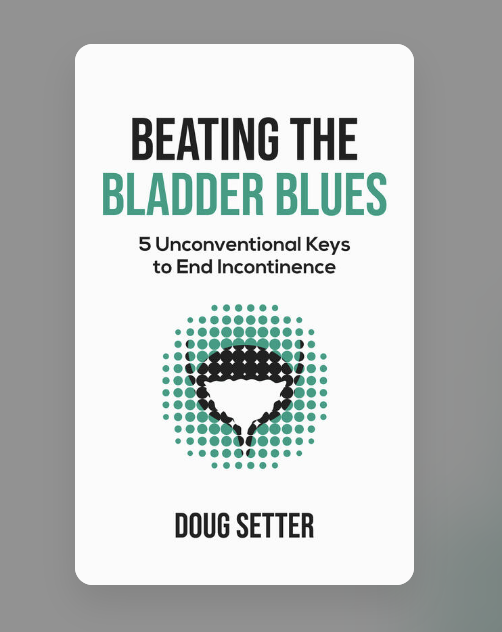
Beating the Bladder Blues by Doug Setter (Book Review)

Over 33% of people in the U.S.A. have reported problems with frequent and urgent urination. If you have ever had the embarrassing moments of a urgent race to a washroom or habitually position yourself close to the washrooms, this book can help. Beating the Bladder Blues is an easy-to-follow, humorous book on making less washroom trips and enjoying life more.
The book shows the little known methods of:
1. Internal muscle control.
2. Herbs and foods for bladder health.
3. How-to protect your prostrate and urinary tract from inflammation.
4. Reprogramming your mind-body connection to reduce or end involuntary urination.


I received a complimentary copy of this book from Reedsy Discovery.  I voluntarily chose to read and post an honest review.


Frequent urination (incontinence) or late-night urination (nocturia) is an all-too-common dilemma that plagues adults and children. Those who suffer from either of these two issues might experience uncontrollable leakage. Accidents can cause embarrassment and make one shy away from social engagements, or when nighttime visits are the culprit, the afflicted don’t get adequate sleep.

Doug Setter speaks the truth when they openly discuss what lengths they went to when the urge to go was upon them and no restroom in sight. I haven’t peed in a bottle before, but that’s only because I am a woman and didn’t think my aim would hit the mark 100% of the time. As a person with weak bladder muscles, I am familiar with the need to go multiple times during events. It’s annoying, a nuisance, and can be embarrassing. 

Since I don’t have a prostate, I could not empathize with the author’s talk about the exam. However, the physical therapy intake exam to strengthen my bladder muscles was intrusive and made me uncomfortable. I had to complete exercises while the therapist monitored me internally, manually. So I can, in a way, relate to Doug Setter’s displeasure over the unpleasant physical exam. 

In chapter two, Doug discusses various reasons why a person might be having plumbing issues: UTI, excess consumption of liquids, diabetes, bladder stones, and kidney conditions to name a few. After these possible reasons, Doug included a detailed image of your “plumbing parts” and explained their function in simple terms. 

I would advise taking Doug’s “five-pronged approach to urinating less” before going straight to the scalpel to fix your urinary system and problem. Sometimes eliminating a trigger or doing Kegel (pelvic floor) exercises improves the matter. The good news about these exercises is anyone can do them, regardless of age, and anywhere too! If you’re unfamiliar with Kegel exercises, Doug gives you a step-by-step guide to walk you through the process.

I found photos of the exercises taught in yoga and other exercise systems helpful. You don’t have to wonder if you’re performing it correctly or not. I encourage you to read the steps, look at the pictures, and then try your hand at the four additional stretches. 

As I stated earlier, removing a trigger can improve or stop your symptoms. Chapter five mentions several food and beverage-related items that might be your culprit. My doctor has told me to avoid citrusy and acidic things, so their presence on the list didn’t shock me. However, my doctor never mentioned spices. I’ll have to examine that one in more detail. Now, all triggers do not have to be food-based. Stress can also play a factor. I never knew that either. I have realized that when I’m busy, I urinate less than when I’m bored. Maybe my mind is preoccupied and not focused on the need to go. Bored seems to be a trigger for me. 

No matter the organ, there will be things that make it perform poorly and superbly. Doug discusses both. On the good list is cranberries which I consume daily. There was also horsetail, something I’d never heard or seen before. 

Some sections are directed to male readers: boosting testosterone and prostate issues; however, both genders can benefit from bladder training, knowing what’s good and bad for their urinary health. 

If you have bladder control issues or know someone who does, read this book or share it with them. It might change their life or yours! 

Heart Rating System:
1 (lowest) and 5 (highest) 
Score: ❤❤❤❤

Reedsy Link


Meet the Author

Doug is a former paratrooper and U.N. Peacekeeper. He holds a BSc and has trained hundreds of people in fitness, martial arts and outdoor skills. He is the author of: Flat Gut After 50, Fit Femme After 50, Flat Gut After COVID, Reduce Your Alcohol Craving and Beating the Bladder Blues.

Reedsy Author Link


Leave a Comment

Filed under Uncategorized